
Research
Ocado Technology - Testing Community
When I was working as UX Designer on the Ecommerce part of the Ocado Smart Platform, I faced a problem that stopped me from doing my research: our users were hard to reach. As we were B2B, our users were the customers of our retailers, and that meant that we couldn’t just contact them directly to test things with and gain insights from. Instead, we always faced a huge amount of legal, data and privacy issues (GDPR) to obtain the permission to talk to them via our retailers. This was delaying projects, and discouraging me to do proper research, relying more on internal testing and intuition to make decisions. Not the kind of the methodology I wanted to promote and work with.
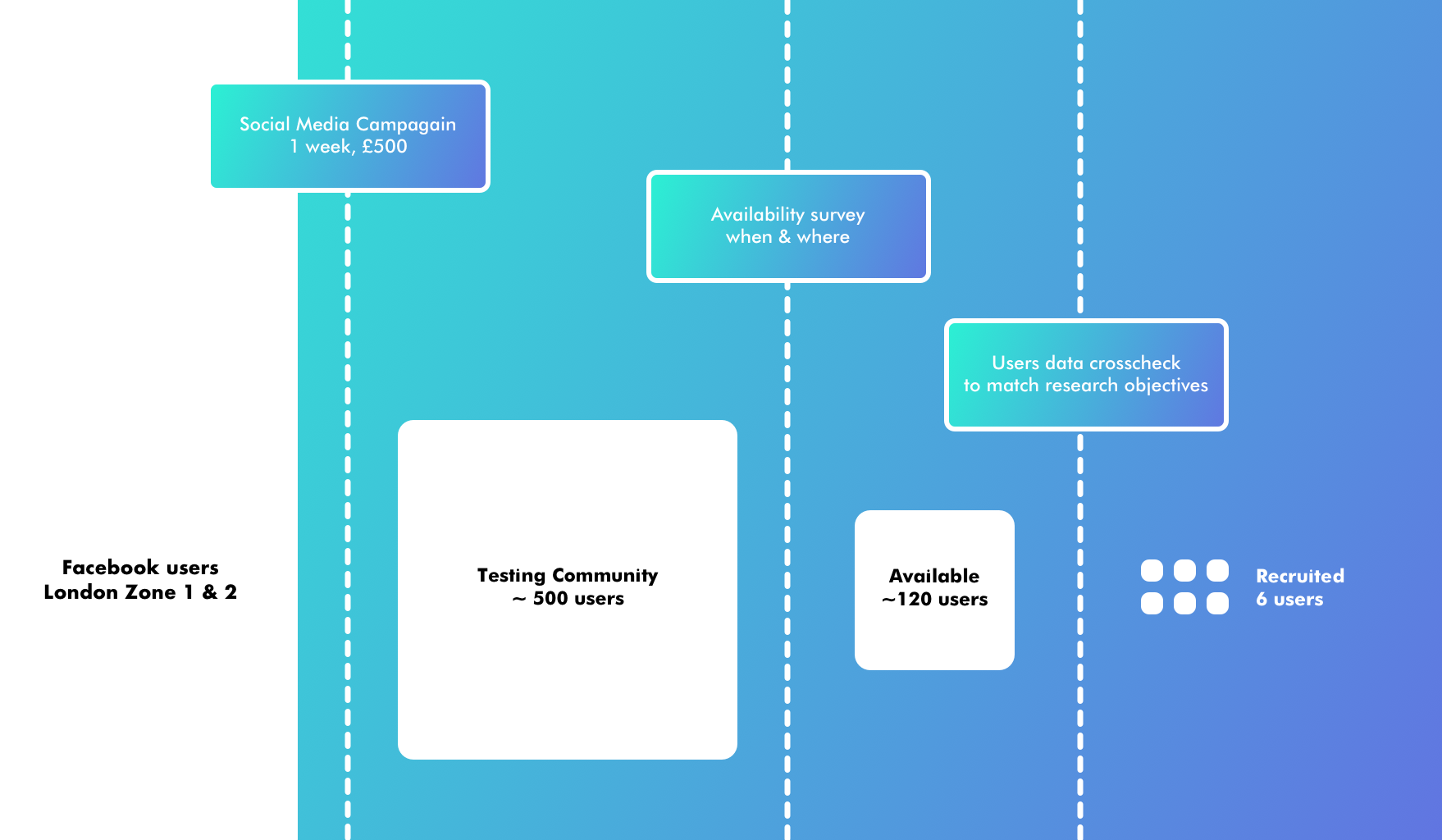
This is when I started a project to create our own Testing Community, so that I could by-pass retailers to access users in a more efficient way. To do this, I worked with PR and Marketing to create a social media campaign. We advertised on Facebook (ads below), and targeted people based in London, zone 1 & 2.
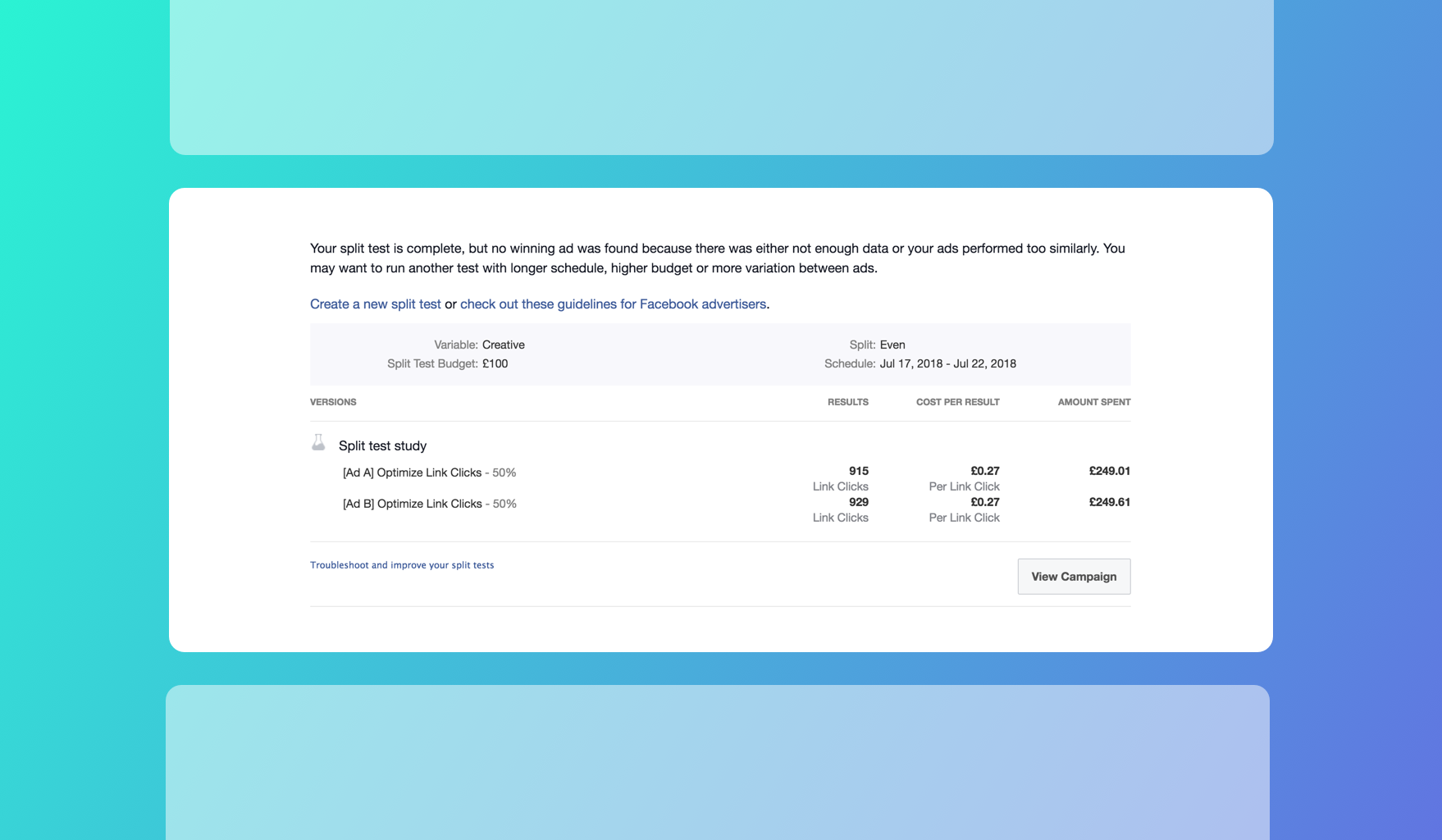
We ran the campaign for a week with a £500 budget and did an A/B test to see which campaign would perform better. The goal was to quickly deactivate the losing advert to capitalise on the budget. In total, we had over 1844 clicks in a week, without a strong winner between both campaign (results below).
When users would click the social media campaign, they would be re-directed to a page on the Ocado Technology website, where they would learn more about what we do, what is user research, and how a typical user testing session works. If interested, they could then sign up via a google form, to give us some basic data on their demographics, shopping habits, technology usage… anything that would allow us to target the right users we needed for various research project. We had over 500 people signup, creating our own Testing Community.
Then, when we wanted to organise a user testing session, we would inform the Testing Community of the date, time and location of the sessions (usually renting a meeting room in Central London for a day), and we asked them for their availabilities during the day. From the 500 members, usually around 120 would be available for the day.
Finally, looking at their time availability, and cross-checking with the data they had provided when signing-up, we were able to select the 6 participants we needed for the sessions, making sure our panel was matching our research criteria, and was diverse enough to represent our customer base.
This Testing Community wasn’t very hard to set up, but it allowed me and the team to test our solutions with external users at a very low cost. (£1 per user for recruitment, £50 reward and the room renting cost for the day).
With this “home-made” Testing Community, we were able to reach out to users from very diverse backgrounds. Some close to our target audience and some further away. Some shopping on our product, and some using competitors. We were able to run user testing sessions, surveys, remote interviews and even card sorting with them. The people we met gave us very valuable insights, even though they were not recruited via traditional means. We spent a fraction of the budget it would have costed us going through an agency and we had total control over the timelines.